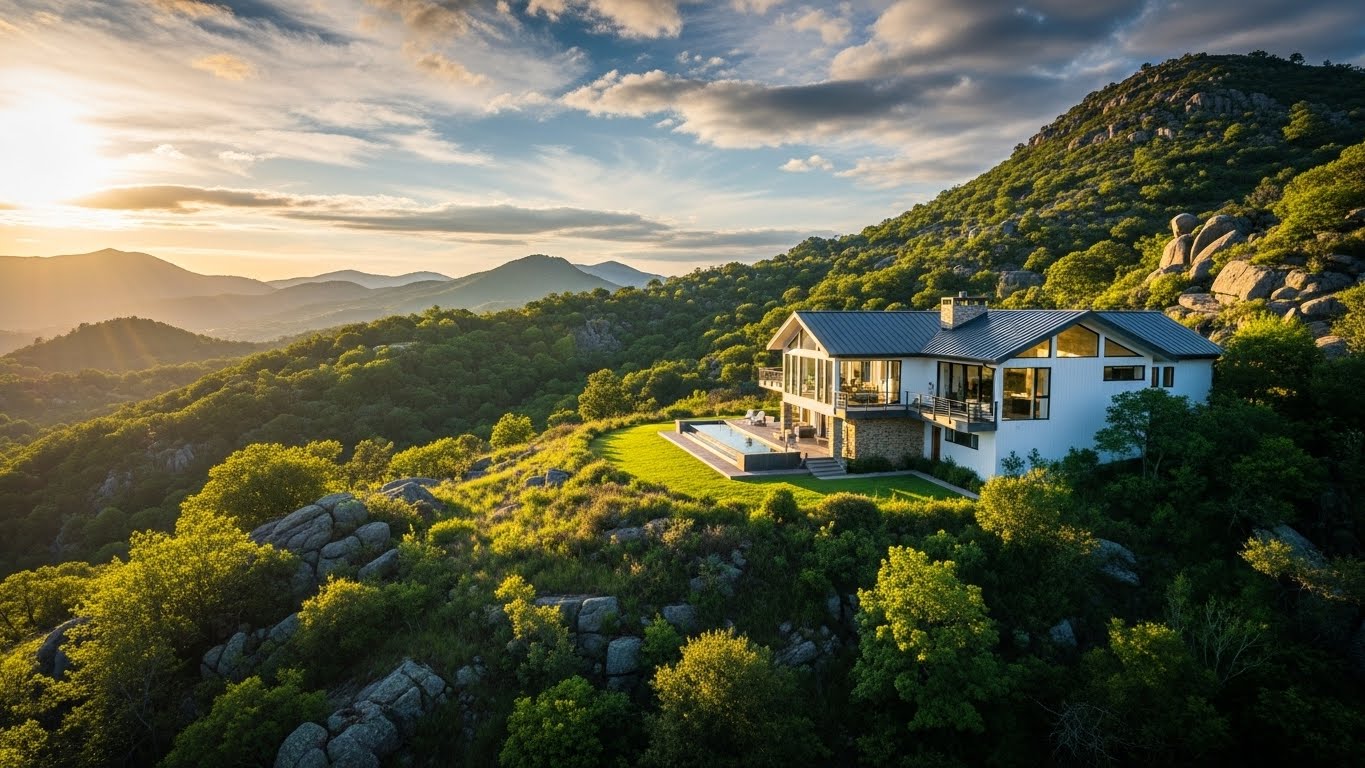
There is something deeply emotional about living above the noise, where mornings feel quieter and views stretch endlessly. A home built on elevated land often represents freedom, privacy, and a stronger connection with nature. This feeling is what attracts people long before design even enters the picture.
Beyond beauty, hillside living creates a sense of escape. Light moves differently, air feels cleaner, and every window becomes part of the experience. A house in the hills is not just about location; it’s about how space, elevation, and emotion come together.
In this article, you’ll explore how hillside homes are designed, styled, and valued, including architecture principles, interior ideas, real estate insights, and cultural influence, helping you understand both the dream and the reality behind this lifestyle.
Table of Contents
ToggleInterior Design, Decor & Lifestyle Enhancements for Hillside Homes
Designing interiors on elevated land is not just about beauty; it’s about creating comfort that feels calm and personal. Homes built on slopes often feel closer to nature, and the interior should reflect that same emotional balance. Thoughtful decor choices can turn everyday living into a peaceful experience where each corner feels intentional and warm.

Design styles that feel natural and timeless
Hillside interiors work best when design follows the surroundings. Minimalist, rustic, and modern styles are popular because they let nature lead the mood. Natural wood, stone textures, and soft fabrics help the space breathe. In a house in the hills, simplicity often feels more luxurious than excess, especially when furniture placement keeps views open and uncluttered. Images can be used here to show style contrasts clearly.
Light, views, and emotional comfort
Natural light defines hillside living. Large windows, sheer curtains, and neutral tones allow sunlight to move freely through the space. This creates emotional comfort and reduces the need for heavy decor. In a house in the hills, views become part of the interior design, making rooms feel larger, calmer, and deeply connected to the outside world.
Furniture, colors, and lifestyle balance
Furniture should feel light but grounded, especially in open layouts. Earthy color palettes, low-profile seating, and flexible storage make daily life easier. In a house in the hills, lifestyle matters as much as looks; spaces should support relaxation, creativity, and slow living. Visual examples can be placed here to guide readers emotionally and practically.
Real Estate, Costs & Buying Tips for Hilltop Properties
Buying elevated property is often driven by emotion first, but smart decisions come from understanding the reality behind the view. Hilltop homes offer privacy and long-term value, yet they require careful evaluation. When done right, ownership can feel deeply rewarding, both financially and emotionally.
What to check before buying
Before committing, buyers must study terrain stability, road access, and drainage systems. These factors directly affect safety and maintenance costs. In a house in the hills, inspections matter more than aesthetics, because hidden issues can appear over time. Adding images or diagrams here can help explain slope-related risks clearly.
Cost factors that impact long-term value
Hilltop properties often cost more upfront due to construction complexity and land preparation. However, strong resale demand and scenic value can balance this investment. In a house in the hills, expenses like retaining walls, landscaping, and custom foundations should always be planned early. Visual cost breakdown images can support this section well.
Lifestyle benefits vs practical challenges
Living above ground level brings peace, fresh air, and unmatched views, but weather exposure and access can be challenging. Buyers should balance lifestyle dreams with practical needs. In a house in the hills, long-term comfort depends on smart planning, not just location.
A House in the Hills (Film): Story, Cast, and Cultural Influence
The title carries mystery, and the film delivers emotion layered with tension. This movie adds a darker, human side to the idea of isolation, showing how beauty and danger can exist together. It turns a peaceful setting into a psychological experience that stays with the viewer.
A suspense-driven story rooted in isolation
The film follows a quiet housesitting job that slowly turns into a dangerous game of trust and fear. Set in an elevated, isolated home, the environment plays a major emotional role. In a house in the hills, distance from society becomes both protection and threat. Images of the setting can be added here to visually reflect the film’s atmosphere.
Cast performances and emotional depth
Strong performances bring realism to the story, especially through subtle expressions and restrained dialogue. The characters feel human, flawed, and vulnerable. In a house in the hills, the actors use silence and space to build tension rather than action alone. Character stills or cast images can be placed here to enhance reader connection.
Cultural meaning and lasting impression
Beyond entertainment, the film reflects how isolation affects human behaviour. It connects the physical setting with emotional risk, making the house itself feel alive. In a house in the hills, solitude becomes symbolic, influencing how audiences view hillside living in storytelling. Visual references or film stills can be used here to deepen engagement and understanding.
FAQs
What makes a house in the hills different from a regular home?
A hillside home is shaped by its elevation, views, and natural surroundings. It often requires special architectural planning and offers more privacy. The lifestyle feels calmer and more connected to nature compared to flatland homes.
Is living in a house in the hills safe?
Yes, if the property is properly built and inspected. Factors like soil stability, drainage, and foundation strength matter most. With the right planning, hillside homes can be very safe and long-lasting.
Are hillside homes more expensive to buy?
They can cost more initially due to land preparation and construction complexity. However, scenic views and privacy often increase resale value. Many buyers see it as a long-term lifestyle investment.
What interior design style works best for hillside homes?
Minimalist, modern, and rustic styles work best because they complement nature. Open layouts and natural materials enhance light and views. Simplicity helps the space feel calm and balanced.
How can natural light be maximised in hill houses?
Large windows, light curtains, and open floor plans help sunlight move freely. Neutral colours reflect light better. Smart window placement can turn views into a design feature.
What should I check before buying a hilltop property?
Always check road access, drainage systems, and land stability. Professional inspections are crucial. These steps prevent future maintenance and safety issues.
Are hillside homes hard to maintain?
Maintenance can be slightly higher due to weather exposure and landscaping. However, modern materials and good design reduce long-term effort. Proper planning makes upkeep manageable.
Can a house in the hills be energy efficient?
Yes, hillside homes can use passive solar design and natural ventilation. Elevation often improves airflow. With smart planning, energy efficiency can be a major advantage.
Is the A House in the Hills movie based on real life?
No, it’s a fictional psychological thriller. However, it realistically shows how isolation can affect human behavior. The setting plays a strong emotional role in the story.
Who should consider living in a house in the hills?
People who value privacy, views, and peaceful living will love it. It’s ideal for those seeking a slower, more intentional lifestyle. Nature lovers often find hillside homes deeply fulfilling.
Conclusion:
Living in a house in the hills is more than just owning property; it’s an emotional experience that combines privacy, scenic beauty, and a strong connection with nature. From architectural principles to thoughtful interior design, every detail contributes to a peaceful and fulfilling lifestyle. While building or buying a hillside home comes with challenges like terrain stability and maintenance, the rewards of panoramic views and serene living make it worthwhile. Incorporating smart design, natural light, and practical decor enhances both comfort and aesthetics. For those who appreciate calm, creativity, and a slower pace of life, a hilltop home offers unmatched satisfaction. Even the cinematic portrayal of A House in the Hills reflects how setting can shape emotion and story. Whether you’re seeking real estate insights, design inspiration, or lifestyle ideas, embracing hillside living is about blending practicality with beauty. Overall, it is a unique experience that nurtures both the home and the soul.
