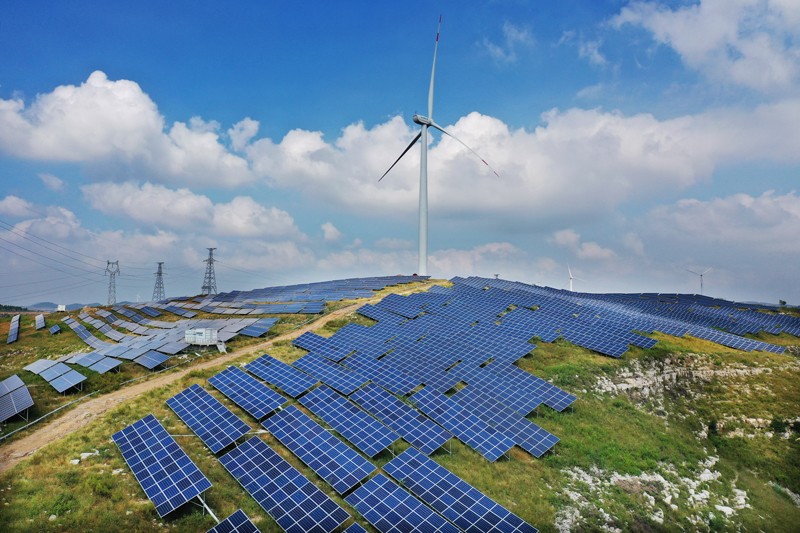
More and more, companies are relying on the idea of being “green” to market their products. You might see terms such as “net-zero carbon emissions”, “carbon-free”, or “carbon neutral”, but it can be difficult to know exactly what these terms mean. To be carbon-free, a company must commit to removing the same amount of carbon from the atmosphere as it put into it. There are a variety of ways to do this, including planting trees and switching to renewable energy resources.
Why is carbon neutrality important? The more carbon that is released into the atmosphere from various sources, such as gas-powered cars or oil- and coal-burning energy sources, the warmer the Earth gets. A warmer Earth has led to a variety of problems that endanger the environment for people now and in the future. To protect the earth, many companies are making an effort to move toward zero carbon emissions as they make their products. Here are four ways that carbon neutral energy supports the environment.
1. Helps Cool the Planet
Science has shown that the increase in carbon emissions has warmed the earth. Depending on where you live, this may be more or less apparent. People who have lived in the same place for a long time may notice that summers become increasingly warmer each year or that winters are longer and colder than historical averages. By committing to carbon neutrality, companies actively help to keep the planet from getting even hotter, which can help to steady the climate.
2. Supports Agriculture
A steady climate supports agriculture. Different crops are traditionally produced in large quantities in specific areas of the world because the climate supports those crops. For example, it’s common to see that your coffee beans were grown in a part of Africa or South America, but you never see beans grown in Canada or Europe.
As the climate warms, shifts in temperature can produce changes in the atmosphere that don’t allow cash crops to continue growing in areas where they have been grown for centuries. Climate change can impact water supply and contribute to natural disasters such as hurricanes and tornadoes that affect the areas in which those crops are grown, leading to potential economic disasters for those farmers. A carbon-neutral footprint helps to support agriculture globally, which is good for farmers and for the supply chain.
3. Preserves Oceans
Too much carbon warms the earth and causes ocean temperatures to rise. This is detrimental to marine life and to human life. As the water temperature warms, the ice caps melt, which affects the salinity of the ocean water, changing various animals’ habitats and forcing them to migrate permanently to other parts of the world. A ruined habitat can also potentially lead to the extinction of some species. Migrating species affects the food chain for other animals and can also impact the livelihoods of fishermen. By choosing to adopt carbon-neutral practices, companies can help to slow detrimental changes to the oceans.
4. Lessens Pollution
Pollution has been a buzzword for a long time and refers to many types of contaminants in the environment. Energy sources that burn carbon impact the air that people and animals breathe. Too much carbon in the air contributes to what is commonly referred to as smog. Smog is a problem particularly in large cities and can have negative effects on an individual’s respiratory health. By lowering carbon emissions, companies that are in or near large cities can make measurable changes for the better to the air quality in their area.
When companies choose to make changes to their production processes that lower or negate their carbon footprint, there are numerous benefits to the environment that then also directly impact the quality of life of their customers.
